

Plan a launch in three stages: a pre-launch period that builds interest and a list of people waiting, a launch week where everything goes out in a tight, coordinated burst, and a post-launch period that keeps the product visible once the first excitement fades. Start planning at least eight weeks before the date. Most launches that fall flat were planned for the day itself and nothing either side.
Start with one clear sentence about the product.
Before any content or ads, write down what the product is, who it is for and why they should care, in one sentence. If the team cannot agree on that line, the campaign will wobble. Every post, ad, email and press note should be a version of that sentence.
Then add three supporting points: the proof, the detail or the feature that makes the sentence believable.
Set a goal and a date you can actually hit.
Decide what success looks like for the first month. Pre-orders, bookings, sign-ups, store visits or sales. Pick a launch date with enough buffer for delays in stock, photography or website changes. A launch moved twice loses momentum, and moving it once costs less than rushing it.
The pre-launch stage builds interest and a waiting list.
Four to six weeks before launch, start warming people up.
- Tease without revealing everything. Close-ups, the making-of, a countdown, a question your audience can guess at.
- Open a waiting list. A simple landing page with an email or WhatsApp sign-up gives you an audience to contact on launch day. It also tells you whether interest is real.
- Brief your existing customers. Your current customers and email list are the people most likely to buy first. Give them early access or a small thank-you.
- Line up partners and creators. Send product samples early, so creators have time to use it properly. Our post on influencer marketing covers how to choose the right people.
- Prepare press and local media. If the product has a genuine story, approach journalists two to three weeks before, with a short note, good photos and an offer to talk.
Make all the content before launch week.
This is the step that saves your sanity. Shoot photos and video in one go, ideally a month before launch. From that shoot, prepare:
- A hero video for the launch announcement.
- Short vertical clips for Reels, TikTok and Shorts.
- Product photos for the website, ads and press.
- Carousels or posts that explain features and answer obvious questions.
- Email designs for the waiting list and customer list.
- Ad versions in the sizes each platform needs.
When Digiredo plans a launch, we try to get everything shot and edited before the first teaser goes out. That way the team can spend launch week replying to people instead of editing in a panic.
Launch week is a coordinated burst.
On launch day, everything goes live together, so anyone who hears about it from one place finds it everywhere else.
- Website or product page live and tested on mobile, with working checkout or booking.
- Email and messages to the waiting list first, ideally an hour or two before the public announcement, so they feel like insiders.
- Social announcement on every active channel, with the hero video.
- Ads switch on, starting with people who visited your site or engaged with your teasers.
- Creators and partners post over the following days, so the noise lasts.
- The team is ready to reply to comments, messages and questions quickly.
Plan something for each day of launch week, such as a behind-the-scenes clip, a customer reaction, a live demo or a founder video. A launch that goes quiet on day two looks like it did not work, even when it did.
The post-launch stage keeps selling.
Most of a product's sales happen after launch week. Keep it visible:
- Share real customer reactions and reviews as they come in, with permission.
- Answer the questions people ask in the comments with dedicated posts.
- Retarget people who visited the product page but did not buy.
- Follow up with buyers by email, asking how they are finding it and inviting reviews.
- Plan a second wave, such as a new colour, a bundle or a seasonal angle, four to eight weeks later.
Decide the budget split before the first teaser.
Small launches often spend everything on the day itself and run dry a week later. A more reliable approach is to keep a portion of the ad budget for the post-launch weeks, when you have real reviews and customer photos to promote. Those ads tend to be more convincing than the teasers, because they show actual people using the product. Write the split down early so nobody is tempted to spend it all in the first forty-eight hours.
Use a simple timeline.
- Eight weeks before: product sentence, goal, budget, date, content plan.
- Six weeks before: shoot, landing page and waiting list live.
- Four weeks before: teasers start, creators receive samples.
- Two weeks before: press outreach, ads and emails ready, final website checks.
- Launch week: coordinated release and daily content.
- Weeks two to eight: reviews, retargeting, second wave.
Frequently asked questions.
How far ahead should I plan a launch?
At least eight weeks for a small launch, longer if you need new packaging, a new website or press coverage.
Do I need paid ads for a launch?
They help a lot, especially retargeting people who saw your teasers. Even a modest budget focused on warm audiences can make a difference.
What if the launch is quieter than expected?
Look at where people dropped off, adjust the message or offer, and run the second wave sooner. Many products find their audience after the first push.
Planning a launch? Bring Digiredo in early.
The Age of Attention Scarcity
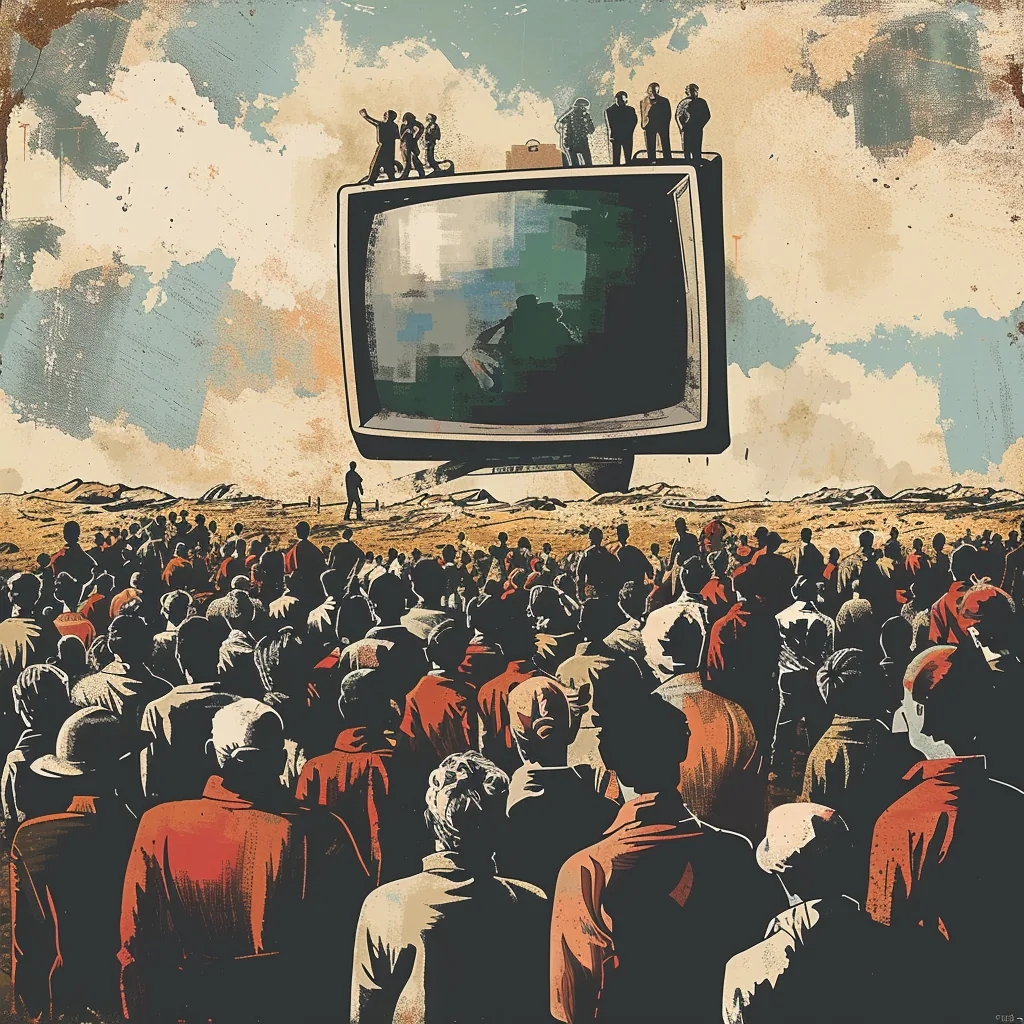
We live in an era where the commodity most scarce is not oil, gold, or even Bitcoin. It's attention. With millions of websites, billions of social media posts, and a never-ending stream of content vying for our gaze, capturing and keeping someone’s attention is akin to finding water in the desert. Omnipresence in marketing means ensuring your brand appears across multiple platforms and touchpoints, increasing the chances of capturing that precious attention. But it's not just about being seen; it's about creating consistent, valuable interactions that keep your audience engaged across all channels.

Crafting a Seamless Brand Experience
Imagine you're on a treasure hunt, but instead of one map, you have several, each showing a part of the journey. Your online presence should work the same way. Whether a customer encounters your brand on social media, through a Google search, or via an email, the experience should be seamlessly connected. Each interaction should feel like a continuation of the last, telling parts of your brand’s story. Omnipresence ensures that no matter where your audience turns, there you are, ready to engage them with a coherent and compelling narrative.
The Power of Being Everywhere
Being omnipresent isn’t just about digital domination; it’s about creating a web of touchpoints around your audience, making your brand an integral part of their online (and offline) world. This doesn’t mean invading every possible space with your message but choosing the right channels where your audience lives, breathes, and engages. It's about leveraging data and analytics to understand where your message will be most impactful and then tailoring your content to fit those spaces perfectly. This strategic omnipresence makes your brand feel like a familiar friend in a sea of strangers.

Omnipresence and the Personalization Paradox
One might think that being everywhere leads to a dilution of personalization. However, the opposite is true. With today’s advanced analytics and AI-driven marketing tools, brands can deliver highly personalized content across multiple platforms, making each interaction feel unique and tailored. Omnipresence doesn't mean broadcasting the same message everywhere; it's about using the nuances of each platform to convey your message in a way that resonates with the individual preferences and behaviors of your audience.

Building Trust Through Consistent Presence
Trust is built on consistency and reliability. By maintaining a consistent presence across multiple platforms, you're not just increasing brand recognition; you’re also building trust with your audience. Each interaction, each piece of content, contributes to a larger picture of your brand. This omnipresent strategy ensures that your brand becomes a reliable resource, a beacon of trustworthiness in a volatile online world.

Leveraging Omnipresence for Competitive Advantage
In the crowded online marketplace, omnipresence is your competitive edge. It allows you to cut through the noise, reach your audience wherever they may be, and stay top of mind. This constant visibility ensures that when a need arises, your brand is the first that comes to mind. Moreover, by analyzing the data from your omnipresent marketing efforts, you can refine and optimize your strategy, staying one step ahead of the competition.
The Challenges and How to Overcome Them
Achieving omnipresence is no small feat. It requires a deep understanding of your audience, a strategic approach to content creation, and the ability to analyze and adapt quickly. The key is not to stretch yourself too thin but to focus on the channels that offer the most return. Utilize automation and AI to manage and personalize your content across platforms, and always keep the end goal in sight: to create meaningful, engaging interactions that build a lasting relationship with your audience.
Your Roadmap to Omnipresence
So, how do you embark on this journey towards omnipresence? Start with a thorough audit of your current online presence. Identify the gaps and opportunities for expansion. Next, define your audience and their online habits. Where do they spend their time? What kind of content resonates with them? Armed with this knowledge, craft a content strategy that spans across the identified channels, tailored to each platform's unique characteristics. Implement, measure, learn, and adapt. Remember, omnipresence is a dynamic strategy, ever-evolving as your audience and the digital landscape change.
In Conclusion: Embracing Omnipresence for Future Success
As we forge ahead into the future, the concept of omnipresence in online marketing will only grow in importance. It’s no longer enough to have a great product or service; you need to be where your audience is, always. By adopting an omnipresent approach, you ensure that your brand not only survives but thrives in the competitive online arena. It’s a commitment to being visible, engaging, and relevant, no matter where your audience turns. So, take the leap, weave your brand into the fabric of the online world, and watch as your brand reaches new heights of competitiveness and success.


