

Keep a brand consistent by making the right thing easy to do: a short, practical brand guide, ready-made templates, one shared library of approved assets and one person responsible for a quick check before anything goes out. Rules on their own rarely work. Tools that save people time get used, and they bring consistency with them.
Inconsistency usually comes from good intentions.
Nobody sets out to make a brand look messy. A staff member grabs an old logo from their downloads because it is quicker than asking. A freelancer picks a font that looks close enough. A creator writes a caption in their own voice because nobody told them yours. Each choice is small. Over a few months, they add up to a brand that looks like five different businesses.
The fix is to make your brand the easiest option available.
Write a brand guide people will actually read.
Long brand books often sit unopened. For day-to-day content, a short practical guide works much better. Aim for something that fits on a few screens and covers:
- Logo use: which version goes where, minimum size, what not to do.
- Colours: the exact codes for screen and print, and which colours are for text and which are for backgrounds.
- Fonts: which fonts to use and what to use instead when they are unavailable, for example in a social app.
- Photography style: a few examples of images that feel right and a few that do not.
- Voice: three or four words that describe how you sound, with example sentences, plus a short list of words you never use.
- Common situations: how to write an announcement, how to reply to a complaint, how to post a job.
If you do not yet have a clear brand strategy behind this, start there. Our post on what a brand strategy is explains why it matters.
Templates do most of the heavy lifting.
Templates are the single most useful consistency tool. When someone can open a ready layout, drop in a photo and change the text, they will. Build templates for the content you make most often:
- Social posts and carousels in the right sizes.
- Story frames with space for text and stickers.
- Video intro and outro cards, caption styles and lower thirds.
- Email headers and newsletter layouts.
- Presentation slides and proposal documents.
- Menus, price lists and posters if you print them.
Tools like Canva, Figma and Adobe Express let you lock brand colours and fonts so people cannot drift too far. Lock the logo position and the main colours, and leave room for people to swap images and text freely.
Keep one shared library of approved assets.
Put every current logo file, font, icon, photo and video clip in one shared folder or digital asset tool, and remove old versions. Name files clearly, like "logo-white-horizontal.png" instead of "final-final-v3.png". Share the link with everyone who creates content, including freelancers and agencies.
When the library is easy to use, people stop pulling logos from Google Images.
Brief creators and freelancers properly.
Outside creators bring their own style, and you want some of it, because that is why you hired them. Give them a one-page brief with the essentials: what the content is for, the main message, the must-haves (logo placement, product shown correctly, any words to avoid) and the freedoms (their style, tone and format). Clear limits and clear freedoms make for better work on both sides.
Give someone the job of checking.
Consistency needs an owner. In a small team that might be the marketing lead or the founder. Their job is a quick review before anything goes public: right logo, right colours, right tone, no spelling mistakes. Keep the check fast, ideally the same day, or people will start skipping it.
A simple checklist helps:
- Is the logo the current version, placed correctly?
- Are the colours and fonts from the brand guide?
- Does the copy sound like us?
- Is the image quality good enough?
- Are names, prices and dates correct?
Allow room for variety.
Consistent posts can still vary a lot. A strong brand has a recognisable core and room to play around it. Think of it as a family resemblance. Different seasons, campaigns and creators can bring their own flavour, as long as the core elements stay put.
At Digiredo we often build brand systems with a few flexible elements on purpose, such as a set of patterns, a range of supporting colours or several photo styles, so teams have choices that all still feel like the brand.
Make onboarding part of the system.
Every new staff member, freelancer or agency should get the same short welcome pack on day one: the brand guide, the link to the asset library, the template folder and the name of the person who checks content. Walk them through it in fifteen minutes. It feels like a small thing, and it prevents most of the mistakes that happen in someone's first month, when they are keen to post and unsure where anything lives.
Review the whole picture regularly.
Every few months, scroll back through your social grid, website and recent ads in one sitting. You will spot drift that is invisible post by post. Update the guide and templates based on what you find, and share the changes with everyone.
Frequently asked questions.
What is the most important part of a brand guide?
Clear logo, colour and font rules, plus examples of voice. Those cover most everyday mistakes.
How strict should templates be?
Lock the essentials like logo, colours and fonts, and leave images and text flexible. Too rigid and people work around them.
How do I keep creators on-brand without killing their style?
Give them clear must-haves and clear freedoms in a short brief, then trust them with the rest.
Need a brand system your whole team can use? Talk to Digiredo.
The Age of Attention Scarcity
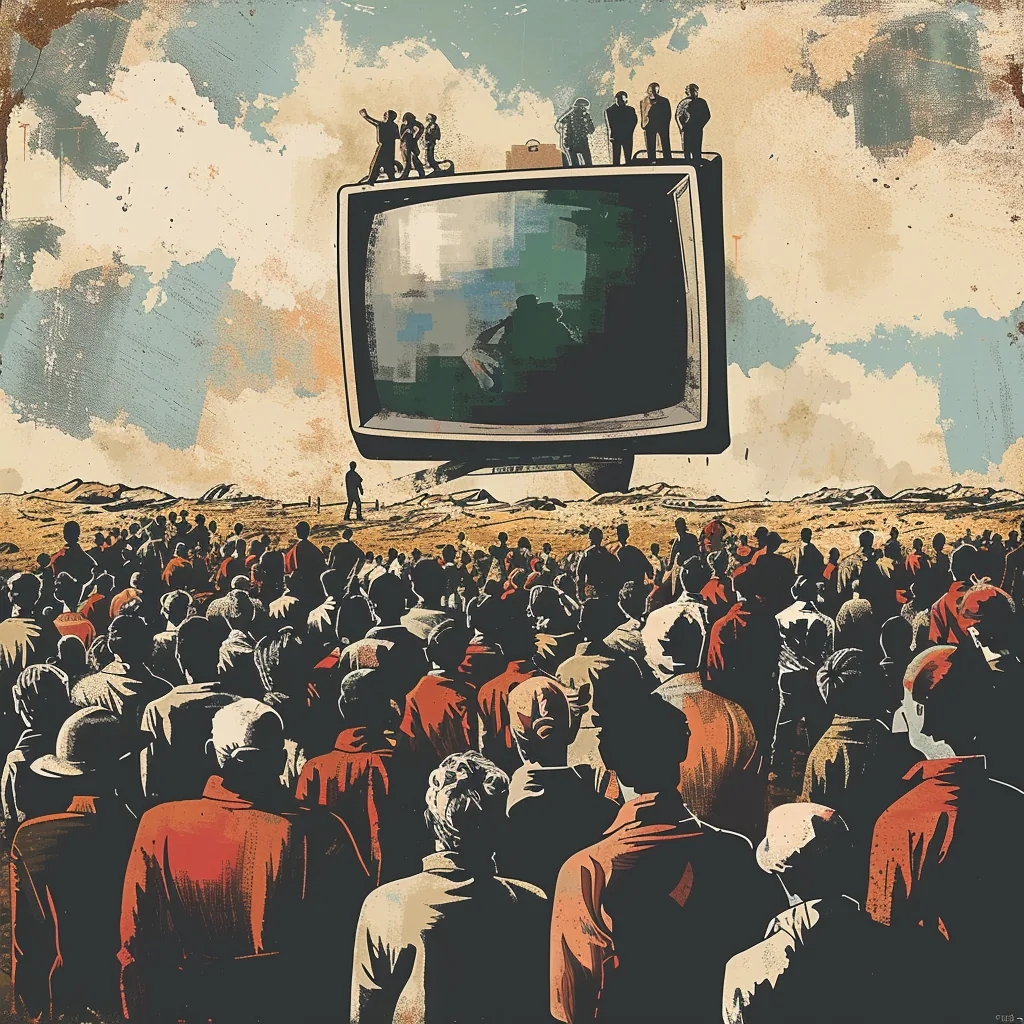
We live in an era where the commodity most scarce is not oil, gold, or even Bitcoin. It's attention. With millions of websites, billions of social media posts, and a never-ending stream of content vying for our gaze, capturing and keeping someone’s attention is akin to finding water in the desert. Omnipresence in marketing means ensuring your brand appears across multiple platforms and touchpoints, increasing the chances of capturing that precious attention. But it's not just about being seen; it's about creating consistent, valuable interactions that keep your audience engaged across all channels.

Crafting a Seamless Brand Experience
Imagine you're on a treasure hunt, but instead of one map, you have several, each showing a part of the journey. Your online presence should work the same way. Whether a customer encounters your brand on social media, through a Google search, or via an email, the experience should be seamlessly connected. Each interaction should feel like a continuation of the last, telling parts of your brand’s story. Omnipresence ensures that no matter where your audience turns, there you are, ready to engage them with a coherent and compelling narrative.
The Power of Being Everywhere
Being omnipresent isn’t just about digital domination; it’s about creating a web of touchpoints around your audience, making your brand an integral part of their online (and offline) world. This doesn’t mean invading every possible space with your message but choosing the right channels where your audience lives, breathes, and engages. It's about leveraging data and analytics to understand where your message will be most impactful and then tailoring your content to fit those spaces perfectly. This strategic omnipresence makes your brand feel like a familiar friend in a sea of strangers.

Omnipresence and the Personalization Paradox
One might think that being everywhere leads to a dilution of personalization. However, the opposite is true. With today’s advanced analytics and AI-driven marketing tools, brands can deliver highly personalized content across multiple platforms, making each interaction feel unique and tailored. Omnipresence doesn't mean broadcasting the same message everywhere; it's about using the nuances of each platform to convey your message in a way that resonates with the individual preferences and behaviors of your audience.

Building Trust Through Consistent Presence
Trust is built on consistency and reliability. By maintaining a consistent presence across multiple platforms, you're not just increasing brand recognition; you’re also building trust with your audience. Each interaction, each piece of content, contributes to a larger picture of your brand. This omnipresent strategy ensures that your brand becomes a reliable resource, a beacon of trustworthiness in a volatile online world.

Leveraging Omnipresence for Competitive Advantage
In the crowded online marketplace, omnipresence is your competitive edge. It allows you to cut through the noise, reach your audience wherever they may be, and stay top of mind. This constant visibility ensures that when a need arises, your brand is the first that comes to mind. Moreover, by analyzing the data from your omnipresent marketing efforts, you can refine and optimize your strategy, staying one step ahead of the competition.
The Challenges and How to Overcome Them
Achieving omnipresence is no small feat. It requires a deep understanding of your audience, a strategic approach to content creation, and the ability to analyze and adapt quickly. The key is not to stretch yourself too thin but to focus on the channels that offer the most return. Utilize automation and AI to manage and personalize your content across platforms, and always keep the end goal in sight: to create meaningful, engaging interactions that build a lasting relationship with your audience.
Your Roadmap to Omnipresence
So, how do you embark on this journey towards omnipresence? Start with a thorough audit of your current online presence. Identify the gaps and opportunities for expansion. Next, define your audience and their online habits. Where do they spend their time? What kind of content resonates with them? Armed with this knowledge, craft a content strategy that spans across the identified channels, tailored to each platform's unique characteristics. Implement, measure, learn, and adapt. Remember, omnipresence is a dynamic strategy, ever-evolving as your audience and the digital landscape change.
In Conclusion: Embracing Omnipresence for Future Success
As we forge ahead into the future, the concept of omnipresence in online marketing will only grow in importance. It’s no longer enough to have a great product or service; you need to be where your audience is, always. By adopting an omnipresent approach, you ensure that your brand not only survives but thrives in the competitive online arena. It’s a commitment to being visible, engaging, and relevant, no matter where your audience turns. So, take the leap, weave your brand into the fabric of the online world, and watch as your brand reaches new heights of competitiveness and success.


