

Ad videos are made to stop strangers and get one action from them quickly, so they open with a strong hook, make one point and end with a clear ask. Organic videos are made for people who already follow you, so they can be looser, more personal and more about entertaining or helping. The smartest approach is to plan a single shoot that captures material for both, then edit each version for its job.
Ads talk to strangers, organic talks to followers.
An ad usually appears in front of someone who did not choose to see it. They owe you nothing, and they will scroll past in a second unless something grabs them. Organic content mostly reaches people who already follow you or something like you. They have some goodwill, and they are more patient.
That one difference shapes almost every creative choice.
Here is how ad videos tend to work.
The hook comes first, always.
The first second or two decide everything. Strong ad openings show the product in use, a face speaking straight to camera, a surprising visual or a clear problem the viewer recognises. Logos and slow scene-setting at the start usually waste the most valuable part of the video.
One message, one action.
An ad should say one thing and ask for one thing. Book now, shop the range, send a message. If you have three products to promote, make three ads.
Short and built for sound off.
Many ads are watched without sound, so captions and on-screen text matter. Shorter versions of fifteen seconds or less often work well, with longer cuts for audiences who already know you.
Several versions for testing.
Ad platforms work best when they can test different versions. Plan for several hooks, a couple of lengths and the right aspect ratios: vertical for Reels, Stories and TikTok, square or vertical for feeds, horizontal for YouTube.
The right amount of polish.
Ads in social feeds often perform better when they feel native to the platform. Very glossy, TV-style spots can look like ads, which makes people scroll. That said, product shots should still be crisp and well lit. Aim for clear, honest and well made.
Here is how organic videos tend to work.
Personality matters more than polish.
Organic content builds a relationship. Behind-the-scenes clips, staff introductions, quick tips, process videos and honest moments help people get to know you. Our post on the rise of short-form video explains why this informal style travels so well.
Series beat one-offs.
Recurring formats, like a weekly tip or a "how we make it" series, give followers a reason to come back and make planning easier for you.
The call to action can be soft.
Organic videos do not need to sell every time. Ask a question, invite a comment or simply let people enjoy it. The sale comes later, often after many small moments of trust.
Trends and timing play a bigger role.
Organic content can join trends, sounds and moments while they are fresh. Ads take longer to approve and plan, so they usually lean on evergreen ideas.
Plan one shoot for both.
For most small businesses, separate shoots for ads and organic content are not realistic. The good news is that one well-planned day can cover both. Digiredo usually plans shoots this way, with a shot list split into two columns.
- Ad column: clean product hero shots, several strong hook moments, direct-to-camera lines with the main message, close-ups that work without sound and versions framed for vertical and horizontal.
- Organic column: behind-the-scenes footage, team moments, process shots, casual tips, reactions and anything funny that happens on the day.
Shoot vertical-first if most of your content lives on phones, and leave room in the frame so you can crop to other sizes.
Edit each version for its job.
The same footage can become very different videos. An ad edit tightens everything, front-loads the best moment and ends with the offer. An organic edit can breathe, follow a story and end with a question. Keep a simple editing template for each so the look stays consistent.
Write the words before the shoot.
Ads live or die on a few short lines, so write them before shooting. Draft three or four opening lines for the hook, one sentence for the main message and the exact call to action. For organic content, a looser list of questions to ask the team or topics to talk about is usually enough, because the charm often comes from unscripted answers. Having both on paper keeps the day focused and stops you discovering in the edit that the one line you needed was never recorded.
Let organic results guide your ads.
Organic posts are a free testing ground. If a video performs unusually well with your followers, it may make a strong ad, perhaps with a tighter opening and a clear call to action added. Running proven organic content as ads is one of the most efficient things a small brand can do.
Frequently asked questions.
Can I use the same video for ads and organic posts?
Sometimes, especially when an organic video has already performed well. Usually it helps to tighten the opening and add a clear call to action for the ad version.
How long should an ad video be?
Short versions of around fifteen seconds or less work well for cold audiences. Longer cuts can work for people who already know you.
Do ads need professional production?
Clear, well-lit product shots help a lot. The overall feel can stay simple and native to the platform.
Planning a shoot for ads and social? Talk to Digiredo.
The Age of Attention Scarcity
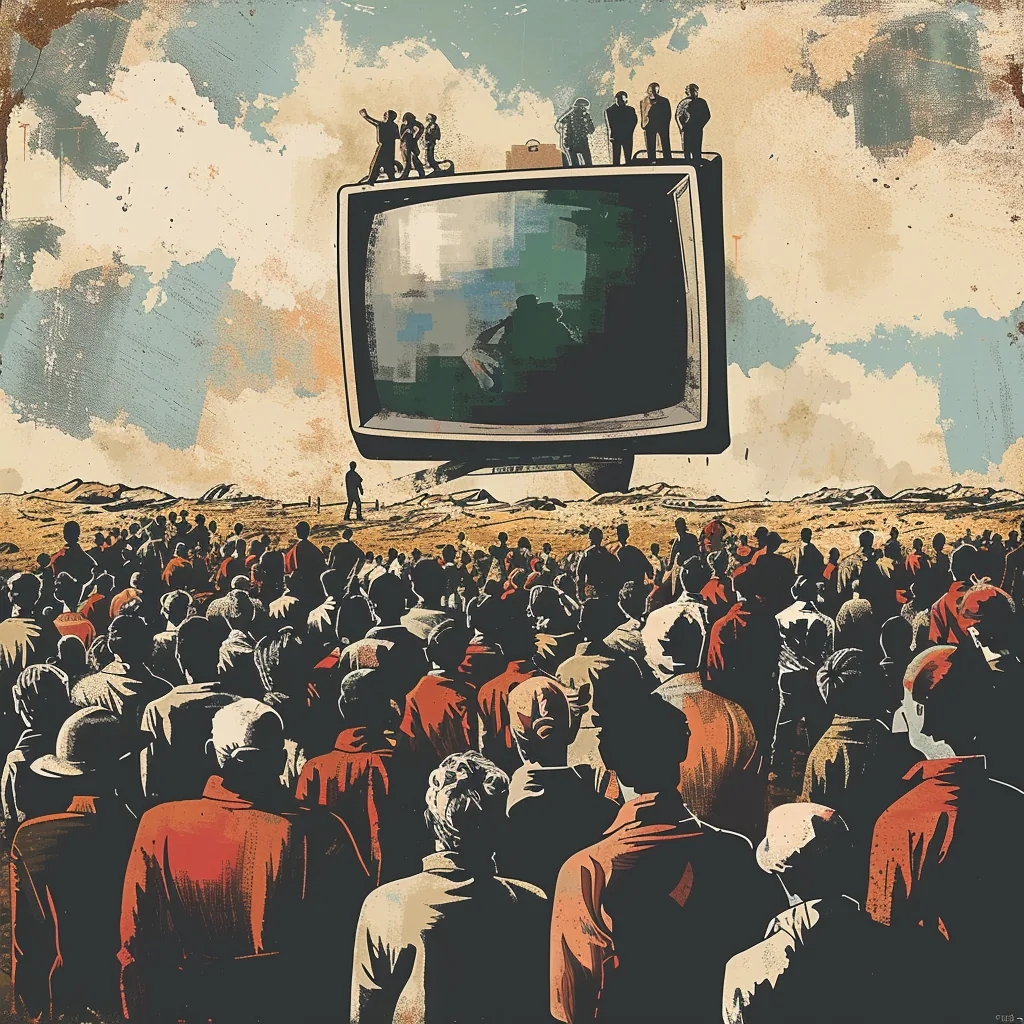
We live in an era where the commodity most scarce is not oil, gold, or even Bitcoin. It's attention. With millions of websites, billions of social media posts, and a never-ending stream of content vying for our gaze, capturing and keeping someone’s attention is akin to finding water in the desert. Omnipresence in marketing means ensuring your brand appears across multiple platforms and touchpoints, increasing the chances of capturing that precious attention. But it's not just about being seen; it's about creating consistent, valuable interactions that keep your audience engaged across all channels.

Crafting a Seamless Brand Experience
Imagine you're on a treasure hunt, but instead of one map, you have several, each showing a part of the journey. Your online presence should work the same way. Whether a customer encounters your brand on social media, through a Google search, or via an email, the experience should be seamlessly connected. Each interaction should feel like a continuation of the last, telling parts of your brand’s story. Omnipresence ensures that no matter where your audience turns, there you are, ready to engage them with a coherent and compelling narrative.
The Power of Being Everywhere
Being omnipresent isn’t just about digital domination; it’s about creating a web of touchpoints around your audience, making your brand an integral part of their online (and offline) world. This doesn’t mean invading every possible space with your message but choosing the right channels where your audience lives, breathes, and engages. It's about leveraging data and analytics to understand where your message will be most impactful and then tailoring your content to fit those spaces perfectly. This strategic omnipresence makes your brand feel like a familiar friend in a sea of strangers.

Omnipresence and the Personalization Paradox
One might think that being everywhere leads to a dilution of personalization. However, the opposite is true. With today’s advanced analytics and AI-driven marketing tools, brands can deliver highly personalized content across multiple platforms, making each interaction feel unique and tailored. Omnipresence doesn't mean broadcasting the same message everywhere; it's about using the nuances of each platform to convey your message in a way that resonates with the individual preferences and behaviors of your audience.

Building Trust Through Consistent Presence
Trust is built on consistency and reliability. By maintaining a consistent presence across multiple platforms, you're not just increasing brand recognition; you’re also building trust with your audience. Each interaction, each piece of content, contributes to a larger picture of your brand. This omnipresent strategy ensures that your brand becomes a reliable resource, a beacon of trustworthiness in a volatile online world.

Leveraging Omnipresence for Competitive Advantage
In the crowded online marketplace, omnipresence is your competitive edge. It allows you to cut through the noise, reach your audience wherever they may be, and stay top of mind. This constant visibility ensures that when a need arises, your brand is the first that comes to mind. Moreover, by analyzing the data from your omnipresent marketing efforts, you can refine and optimize your strategy, staying one step ahead of the competition.
The Challenges and How to Overcome Them
Achieving omnipresence is no small feat. It requires a deep understanding of your audience, a strategic approach to content creation, and the ability to analyze and adapt quickly. The key is not to stretch yourself too thin but to focus on the channels that offer the most return. Utilize automation and AI to manage and personalize your content across platforms, and always keep the end goal in sight: to create meaningful, engaging interactions that build a lasting relationship with your audience.
Your Roadmap to Omnipresence
So, how do you embark on this journey towards omnipresence? Start with a thorough audit of your current online presence. Identify the gaps and opportunities for expansion. Next, define your audience and their online habits. Where do they spend their time? What kind of content resonates with them? Armed with this knowledge, craft a content strategy that spans across the identified channels, tailored to each platform's unique characteristics. Implement, measure, learn, and adapt. Remember, omnipresence is a dynamic strategy, ever-evolving as your audience and the digital landscape change.
In Conclusion: Embracing Omnipresence for Future Success
As we forge ahead into the future, the concept of omnipresence in online marketing will only grow in importance. It’s no longer enough to have a great product or service; you need to be where your audience is, always. By adopting an omnipresent approach, you ensure that your brand not only survives but thrives in the competitive online arena. It’s a commitment to being visible, engaging, and relevant, no matter where your audience turns. So, take the leap, weave your brand into the fabric of the online world, and watch as your brand reaches new heights of competitiveness and success.


